
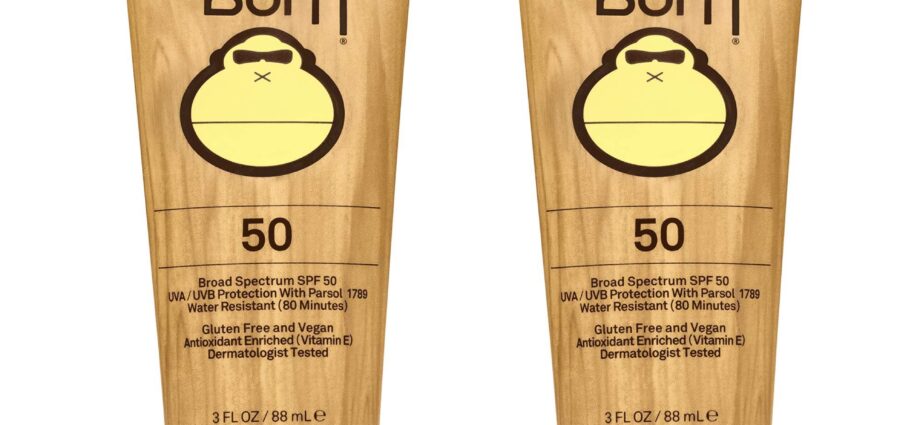
If you’re wondering, “is sun bum reef safe,” the answer is yes. Sun Bum offers several sunscreen products that are specifically formulated to be reef-friendly, avoiding harmful ingredients that can damage marine ecosystems.
As you enjoy your time in the sun, protecting your skin shouldn’t come at the expense of ocean health. Many popular sunscreens contain chemicals like oxybenzone and octinoxate, which pose threats to coral reefs.
Choosing Sun Bum means you can swim and sunbathe with peace of mind, knowing you’re contributing to the well-being of our precious oceans while staying protected.

Is Sun Bum Reef Safe?
Sun Bum is a popular sunscreen brand that many people trust for their beach and outdoor activities. The question of whether Sun Bum is reef safe has become increasingly important for consumers who want to protect the ocean and its delicate ecosystems. In this article, we will explore what reef-safe means, examine Sun Bum’s ingredients, and discuss how these factors affect marine life. We will also highlight the brand’s commitment to environmental responsibility and what you can do to protect our reefs while enjoying the sun.
What Does Reef-Safe Mean?
To understand if Sun Bum is reef safe, we first need to clarify what “reef safe” means. The term refers to sunscreen products that do not contain certain harmful chemicals that can damage coral reefs and marine life. Some of these substances have been shown to contribute to coral bleaching, disrupt marine ecosystems, and harm aquatic animals.
Common Harmful Ingredients
Here are some ingredients that are commonly considered harmful to coral reefs:
- Oxybenzone: This chemical has been linked to coral bleaching and can affect the growth and reproduction of corals.
- Octinoxate: Similar to oxybenzone, this chemical can contribute to coral damage and is known to disrupt marine ecosystems.
- Avobenzone: While less harmful than the previous two, it can still break down in sunlight and potentially release harmful byproducts.
- Parabens: These preservatives can interfere with the hormonal systems of marine life.
- Triclosan: This antibacterial agent can harm aquatic organisms and can bioaccumulate in the environment.
When looking for reef-safe sunscreens, it’s essential to read labels carefully and avoid products with these ingredients.
Examining Sun Bum’s Ingredients
Now, let’s take a closer look at the ingredients in Sun Bum sunscreens. Sun Bum prides itself on offering products that are both effective and environmentally friendly.
Key Ingredients in Sun Bum Products
Most Sun Bum sunscreens use mineral sunscreen ingredients, which are generally considered safer for coral reefs. Here are the primary components:
- Zinc Oxide: This mineral offers broad-spectrum protection against UVA and UVB rays and poses minimal risk to marine ecosystems.
- Titanium Dioxide: Another mineral that provides effective sun protection while being less harmful to coral than chemical sunscreens.
- Natural Oils: Sun Bum uses ingredients like coconut oil, aloe, and vitamin E, which are safe for aquatic environments.
Sun Bum also emphasizes that their formulas are free from parabens and harmful chemicals, aligning with the reef-safe concept.
Sun Bum’s Commitment to Environmental Responsibility
Sun Bum is not just about selling sunscreen. The brand communicates a strong message about environmental consciousness. They engage in various initiatives aimed at preserving marine environments and educating consumers about sustainable practices.
Environmental Initiatives
Sun Bum participates in numerous efforts to protect our oceans, including:
- Partnerships with Conservation Organizations: They collaborate with groups focused on marine conservation and reef protection.
- Education: Sun Bum spreads awareness about the importance of reef-safe products and encourages customers to consider their environmental impact.
- Community Events: They host beach clean-ups and other eco-friendly events to foster a sense of community and responsibility toward nature.
These initiatives show that Sun Bum is genuinely invested in the health of the oceans and coral reefs.
The Science Behind Reef Safety
Understanding the science behind why certain sunscreen ingredients are harmful to reefs can help consumers make informed choices.
How Sunscreen Affects Coral Reefs
When sunscreen washes off in oceans, it can release harmful chemicals that affect coral reefs. Here’s what happens:
- Coral Bleaching: Some chemicals can cause corals to expel the algae they rely on for food, leading to bleaching. This process can severely impact coral health and ecosystem balance.
- Toxicity: Chemicals like oxybenzone can be toxic to juvenile corals and other marine organisms, affecting their development and survival.
- Disruption of Natural Processes: Harmful ingredients can interfere with reproductive systems in marine species, leading to population declines.
By choosing reef-safe products, individuals can contribute to the preservation of coral ecosystems.
How to Choose a Reef-Safe Sunscreen
If you’re looking for a reef-safe sunscreen, here are some tips:
Look for the Label
When shopping for sunscreen, look for labels that explicitly say “reef safe” or “coral reef friendly.” This can indicate that the product does not contain harmful ingredients.
Read the Ingredient List
Always check the ingredient list before purchasing. Avoid sunscreens with oxybenzone, octinoxate, and other harmful chemicals.
Choose Mineral-Based Sunscreens
Mineral-based sunscreens made with zinc oxide or titanium dioxide are generally safer for coral reefs. These ingredients sit on the skin and reflect UV rays without harming marine life.
Support Eco-Friendly Brands
Pick brands that demonstrate a commitment to environmental protection. Research their practices, partnerships, and community involvement to gauge their authenticity.
Consumer Impact on Coral Reef Protection
As consumers, we hold significant power in shaping industry practices. By choosing reef-safe products, we send a strong message to manufacturers about the importance of sustainability.
Advocating for Change
You can make a difference by:
- Choosing Wisely: Always opt for reef-safe sunscreens and encourage friends and family to do the same.
- Spreading Awareness: Educate others about the harmful effects of certain sunscreen ingredients and the importance of coral reefs.
- Supporting Legislation: Advocate for laws banning harmful chemicals in sunscreens, as some places have already started doing.
Every small action can contribute to a larger, positive impact on our oceans.
The Importance of Coral Reefs
Coral reefs are vital for marine ecosystems and the planet as a whole. They provide habitat and food for a vast number of marine species and protect coastlines from erosion.
Key Benefits of Coral Reefs
Here are some reasons why coral reefs matter:
- Biodiversity: Reefs are home to thousands of species. They support marine life and contribute to the biodiversity of the ocean.
- Coastal Protection: Healthy reefs act as natural barriers to storms and waves, helping to protect coastlines and communities.
- Economic Value: Coral reefs contribute to tourism and fishing industries, providing jobs and income for millions globally.
- Medicinal Resources: Many drugs used in modern medicine are derived from the creatures that live in coral reefs.
Protecting coral reefs is not just about saving beautiful ecosystems; it’s essential for our environment, economy, and future.
Coral reefs face numerous threats beyond sunscreen, including climate change, pollution, and overfishing. It’s essential to address these issues collectively to ensure the survival of these vital ecosystems.
In summary, while not all sunscreens are reef safe, Sun Bum appears to meet the criteria set for protecting our precious coral reefs. Their commitment to using safer ingredients and promoting environmental responsibility positions them as a brand that consumers can trust. By making informed decisions and choosing products wisely, we can all work towards a brighter future for our oceans and coral reefs.
Sun Bum Reef Safe Sunscreen
Frequently Asked Questions
“`html
What ingredients in Sun Bum products make them reef safe?
Sun Bum products contain mineral-based ingredients like zinc oxide and titanium dioxide, which are generally considered safe for coral reefs. These ingredients sit on the skin’s surface and provide broad-spectrum protection without penetrating the water or harming marine life.
Are all Sun Bum sunscreens reef safe?
Not all Sun Bum products are labeled as reef safe. To ensure you are choosing a reef-friendly sunscreen, look for the specific products that carry the reef safe designation. Always check the label for any harmful chemicals like oxybenzone and octinoxate, which can damage coral reefs.
Why is it important to use reef-safe sunscreen?
Using reef-safe sunscreen helps protect marine ecosystems from harmful chemicals that can cause coral bleaching and other damage to aquatic life. By opting for reef-friendly options, individuals contribute to the preservation of ocean health and the wellbeing of diverse marine species.
How can I confirm if Sun Bum products align with environmental standards?
To confirm that Sun Bum products meet environmental standards, you can review their labels for certifications and reef-friendly claims. Additionally, visiting the official Sun Bum website provides information on their commitment to sustainability and the specific ingredients used in their formulations.
Can I still use Sun Bum products if I’m concerned about environmental impact?
If you’re concerned about environmental impact, choose Sun Bum products that are explicitly labeled as reef safe. Opting for these products allows you to enjoy sun protection while minimizing harm to marine environments. It’s a responsible choice that supports both personal health and ecological preservation.
“`
Final Thoughts
Sun Bum offers a range of sunscreen products that prioritize skin protection without harming marine ecosystems. Many of their formulas are made without harmful ingredients like oxybenzone and octinoxate, which are known to damage coral reefs.
If you’re concerned about reef safety while enjoying the sun, you can trust Sun Bum’s commitment to creating eco-friendly products. In conclusion, yes, Sun Bum sunscreen is reef safe, making it a great choice for environmentally conscious beachgoers. Use it with confidence while you enjoy your time in the sun.