
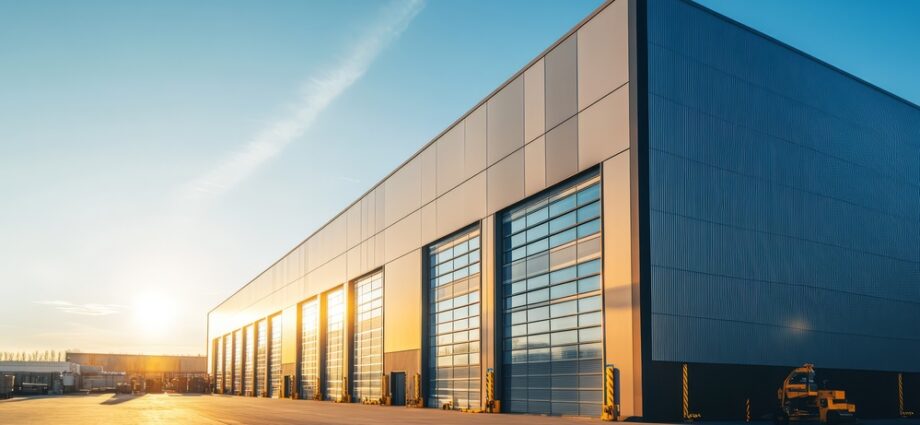
Operations leaders managing expansive built environments know well that square footage directly correlates with maintenance complexity. From industrial plants and warehouses to big box retailers, educational complexes, medical centers and more, overseeing multi-building facilities or single massive footprints demands comprehensive preventative measures and rapid response intervention capabilities tailored to such sizable domains.
Understanding common broad challenges helps strategize customized solutions benefitting different spaces. Examining specialized approaches in key categories cumulatively ensures ideal large-scale location maintenance for protecting valuable assets while optimizing occupant safety, experience, and productivity over the long term.
Custodial and Hygienic Care
Cleanliness forms a fundamental facility care pillar directly affecting human health, safety and operational efficiency. Large floor plans mean increased dirt and contaminant trafficking from high visitor volumes difficult to counteract. Grimy conditions trigger germ spread risks and micro slip-fall hazards while allowing asset damage if spills or environmental element infiltration goes unchecked.
Successful sanitation in big built environments requires a combination of scheduled deep cleaning and rapid response support. Industrial cleaning crews like those at All Pro Cleaning Systems tackle broad surface decontamination and air quality optimization via HEPA-filtered equipment according to area usage rates.
Protecting Vital Systems
Behind expansive built landscapes’ visible occupant zones lies an intricate infrastructure enabling essential functions. Electrical frameworks powering countless switches must deliver optimal uptime reliability. Likewise, indoor climate control, safety components, filtration and water systems require vigilant monitoring and maintenance protecting very costly equipment from disruption or failure.
Teams schooled in optimizing functionality of vital building system components provide invaluable insurance against outages threatening business continuity. Preventative initiatives like scheduled examinations, testing and replacements of dated parts based on life expectancy data help avoid emergencies.
Life Safety and Security
Prime responsibility for managers of immense human-occupied spaces involves protecting visitors, staff and assets from accidents or criminal incidents. Safety-supporting measures require regular checks, like well-lit pathways, video surveillance, access control components, public address systems letting crews instantly notify occupants in emergencies and strategic first aid station placements across far-reaching sites.
Landscape Management
While interiors constitute central customer-facing zones in expansive built environments, exterior landscapes also factor prominently in usage experiences and hazard prevention. Visitor areas should promote security through thoughtful lighting arrangements and artful foliage sculpting that allow for clear lines of sight. Hardscapes must provide smooth, debris-free walking surfaces limiting slip, trip and fall risks while encouraging safe pedestrian flow between locations.
Regular grounds patrols additionally support identifying any infrastructure issues like leaks or damage early before small problems cascade into expensive disasters. Proactive grounds care also optimizes curb appeal and environmental sustainability demonstrated by pristine green spaces.
Preventative Maintenance
Partnering with specialized providers in key maintenance categories allows large enterprise location leadership ample bandwidth focusing on daily operations excellence rather than getting mired in constant facilities upkeep.
Mandatory reporting protocols requiring that staff log any observed maintenance needs or safety hazards helps identify many easily resolvable deficiencies before catastrophic escalations. Software integrated tracking systems then document each issue from first observation to completion, ensuring no work order falls through the cracks in vast, busy environments.
Embracing predictive building maintenance further strengthens risk management. Sensor arrays monitoring vibrations and temperatures within infrastructure components can forecast failures before occurring. This allows ample planning opportunity for service scheduling without adversely affecting occupants.
Conclusion
Modern large corporate or institutional facilities host immense visitor volumes under one roof. Satisfying attendant maintenance needs in durable, loss preventative fashion requires tapping subject matter experts in spheres like custodial services, vital systems care, life safety protocols, grounds care and preventative tracking. Coupling interior and exterior zone experts with motivated location teams embracing a shared culture of reporting and predictive servicing cumulatively ensures ideal environment stability.