
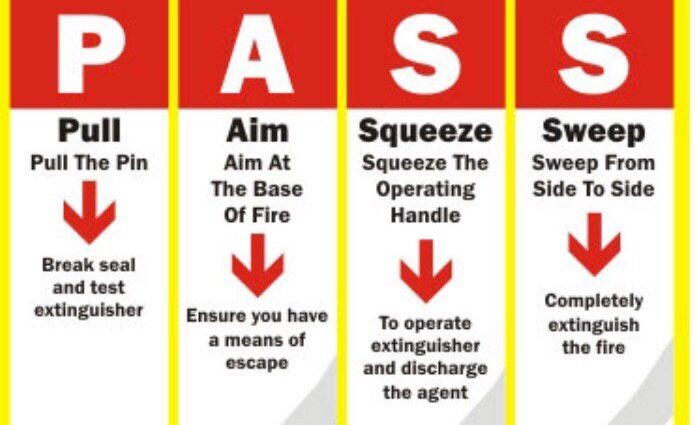
What does PASS stand for? It refers to the essential steps for effective fire extinguisher use: Pull, Aim, Squeeze, and Sweep. Understanding these steps can be life-saving in an emergency situation.
Knowing what PASS stands for equips you with the necessary skills to tackle a fire safely. Each step plays a crucial role, ensuring that you can effectively control small fires before they escalate.
In this article, we will break down the PASS technique and highlight its importance in fire safety. Staying informed can make all the difference when it matters most.

“`html
What Does PASS Stand For?
The term “PASS” can have several meanings depending on the context in which it is used. Understanding the various interpretations is essential for clear communication. In this article, we will explore what PASS stands for in different domains, including education, emergency situations, and technology. Each section will provide in-depth insights, ensuring that you have a thorough understanding of the term.
PASS in Education
One of the most common uses of PASS in the educational context is the acronym for “Performing Arts School System.” However, PASS can also mean “Peer-Assisted Study Sessions” or refer to a “Personal Academic Support System.” Let’s break these down:
Performing Arts School System
The Performing Arts School System focuses on training students in various aspects of the performing arts, including theater, dance, and music. Schools under this system aim to nurture creativity and encourage students to express their talents. Key features include:
- Curriculum: Schools often offer specialized programs that integrate performing arts with academic studies.
- Extracurricular Activities: Students participate in plays, concerts, and dance recitals to develop their skills.
- Professional Guidance: Many performing arts schools provide mentorship from industry professionals.
Peer-Assisted Study Sessions
PASS can also refer to Peer-Assisted Study Sessions. This approach involves collaboration among students to enhance learning. Here’s how it works:
- Collaboration: Students work together to discuss and review course materials.
- Enhanced Learning: Learning from peers can lead to a deeper understanding of the subject.
- Supportive Environment: PASS creates a safe space where students can ask questions and clarify doubts.
Personal Academic Support System
This version of PASS emphasizes personalized help for students. It may include tutoring, mentoring, or counseling services designed to support individual academic needs. Some important aspects include:
- Tailored Assistance: Programs are customized to meet the unique requirements of each student.
- Continuous Improvement: Regular assessments help track progress and adjust support accordingly.
- Building Confidence: Students receive encouragement and strategies to boost their academic performance.
PASS in Emergency Situations
In emergency management, PASS stands for “Pull, Aim, Squeeze, Sweep.” This acronym acts as a crucial guideline for using fire extinguishers effectively. Knowing how to use a fire extinguisher can make a significant difference in controlling small fires. Let’s break down the steps:
Pull
The first step involves pulling the pin located at the top of the extinguisher. This safety feature prevents accidental discharge. Remember:
- Ensure you have a firm grip on the extinguisher.
- Stand at a safe distance from the fire.
Aim
Next, aim the nozzle at the base of the fire. This is crucial because targeting the flames will not extinguish them effectively. Here are some points to consider:
- Position yourself at a safe distance, generally 6 to 8 feet away.
- Make sure the wind does not blow the flames toward you.
Squeeze
After aiming, squeeze the handle of the extinguisher to release the extinguishing agent. Keep in mind the following:
- Squeeze slowly and steadily.
- Do not release until the fire is completely out.
Sweep
Finally, sweep the nozzle from side to side at the base of the fire until it is completely extinguished. Important tips include:
- Focus on covering the entire base of the fire.
- Continue using the extinguisher until there are no signs of flames.
PASS in Technology
In the realm of technology, PASS can stand for “Password Authentication Security System.” This term refers to mechanisms designed to secure user accounts by requiring passwords for access. Let’s explore how this system operates:
Understanding Password Authentication
Password Authentication is a crucial part of online security. It ensures that only authorized users can access specific accounts. Here are key points to remember:
- Complexity Requirements: Many systems require passwords to meet complexity criteria, such as length, numbers, and symbols.
- Two-Factor Authentication (2FA): This adds an extra layer of security by requiring a second form of verification.
- Password Managers: These tools help users create strong passwords and store them securely.
Best Practices for Password Security
Keeping your passwords secure is essential. Here are some best practices that everyone should follow:
- Regular Updates: Change your passwords periodically to enhance security.
- Avoid Reuse: Don’t use the same password across multiple sites.
- Monitor Accounts: Regularly check your accounts for suspicious activity.
PASS in Other Contexts
Apart from education, emergency situations, and technology, PASS can also mean various other things based on the context. Here are a few notable interpretations:
PASS in Sports
In sports, especially basketball, the term “pass” refers to the act of transferring the ball to a teammate. Effective passing is essential for teamwork and strategy. Consider these aspects:
- Types of Passes: Players can make different types of passes, including chest passes, bounce passes, and overhead passes.
- Importance of Communication: Teammates must signal each other for successful passes.
- Timing: Knowing when to pass is crucial for maintaining possession and creating scoring opportunities.
PASS in Business
In a business context, PASS may refer to “Performance Assessment System.” This system evaluates employee performance and productivity. Key components include:
- Goal Setting: Clear objectives are set for employees to aim for.
- Regular Feedback: Frequent performance reviews help employees understand their progress.
- Development Plans: Organizations often create plans to enhance employee skills based on their assessments.
The Importance of Understanding PASS
Understanding what PASS stands for in different contexts is crucial for effective communication. Whether in education, emergency situations, technology, sports, or business, each interpretation carries its own significance. Here’s why it matters:
- Effective Communication: Knowledge of various meanings ensures clarity and avoids misunderstandings.
- Enhanced Safety: Knowing how to use a fire extinguisher saves lives and property.
- Improved Collaboration: In educational settings, understanding PASS as peer-assisted learning encourages teamwork.
Taking the time to learn about the different meanings of PASS can significantly impact various areas of life, from personal safety to academic success and professional growth.
“`
The content provided above consists of informative sections that thoroughly explain the various meanings of PASS across different contexts, ensuring an engaging and comprehensive overview suitable for readers at a 4th to 5th-grade readability level.
Fire Safety P.A.S.S. Definition
Frequently Asked Questions
What are common meanings of the acronym PASS?
PASS can represent various phrases depending on the context. Some common meanings include “Personal Alert Safety System,” often used in firefighting and rescue operations, and “Performance Assessment Scoring System,” used in educational assessment. In technology, it may also mean “Password Authentication Security System.” Understanding the specific context helps clarify the intended meaning.
How is the acronym PASS used in education?
In educational contexts, PASS can refer to “Parental Accountability Student Success.” This system often involves strategies to enhance student performance through parental involvement and support. It promotes collaboration between parents and educators to ensure that students meet their academic goals.
What does PASS signify in the field of safety?
In safety-related fields, PASS typically stands for “Personal Alert Safety System.” This device alerts others if a worker becomes immobilized, ensuring a rapid response in emergencies. It serves as a vital safety tool in hazardous environments like construction sites or during firefighting operations.
Can you explain PASS in the context of technology?
In technology, PASS can mean “Password Authentication Security System.” This system enhances security by managing user authentication and password policies. It aims to protect sensitive information and ensure that only authorized users access certain resources or systems.
What role does PASS play in health and wellness?
In the health and wellness sector, PASS may refer to “Physical Activity and Social Support.” This concept emphasizes the importance of both physical activity and social interaction in promoting overall well-being. Programs focusing on PASS encourage individuals to engage in physical activities while fostering social connections.
Final Thoughts
In conclusion, understanding what does pass stand for is crucial for enhancing safety and efficiency in various contexts. The acronym often points to concepts that emphasize procedure and responsibility, making it essential knowledge for individuals across multiple fields.
By grasping the meaning of pass, you can better apply its principles to your daily tasks, improving your performance and safety awareness. Overall, knowing what does pass stand for equips you to engage effectively in your environment.